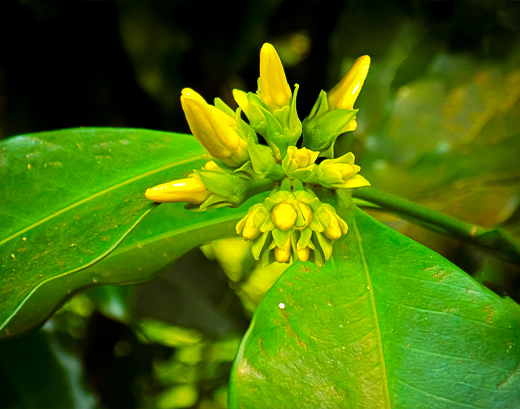

Horticulture
Horticulture
Agriculture at Phylochem
Phylochem Pvt Ltd, a trailblazer in plant chemical extraction and purification, is dedicated to driving the future of sustainable agriculture through innovation and excellence. At the heart of our operations is a commitment to cultivating and producing high-quality plant materials that serve as the foundation for our advanced extraction processes.
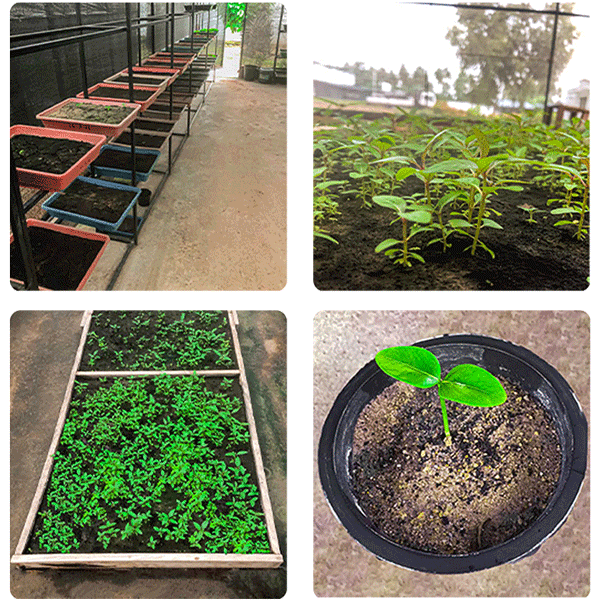
Our Agriculture Division is focused on the cultivation of specialized plant species known for their valuable chemical compounds with growing global demand. We have strategically invested in both modern plant nurseries and expansive cultivation fields, ensuring that every raw material we use is grown under the most stringent quality controls. By managing the entire cultivation process internally, we can guarantee the highest standards of quality and consistency in our products.
Looking to the future, we are poised to expand our agricultural operations to include hundreds of different species, each carefully selected for its potential in various industries. To support this growth, we are developing a state-of-the-art tissue culture laboratory, which will employ cutting-edge technology for plant propagation. This facility will enable us to meet the rising demand for high-quality plant materials while maintaining our commitment to sustainability.
Our agriculture division is equipped with the latest tools, technology, and machinery, supported by a skilled and educated workforce. We leverage these resources to implement advanced agricultural practices that maximize yield, efficiency, and environmental stewardship.
Our facility in the Bingiriya Export Processing Zone, dubbed the “Parktory,” exemplifies our dedication to eco-friendly operations. Designed as a zero-waste facility with aspirations for carbon neutrality, it stands as a model of “Eco-Recycling Business Management.”
At Phylochem, we are not just growing plants; we are cultivating a sustainable future where innovation and nature thrive in harmony. Our agricultural endeavors are the cornerstone of our mission to deliver superior quality products while preserving the environment for generations to come.

Our Diverse Cultivation
We have hundreds of species from more than 12 genus under cultivation. Our current assets of interest include:
- Tabernaemontana
- Psychotria
- Elaeocarpus
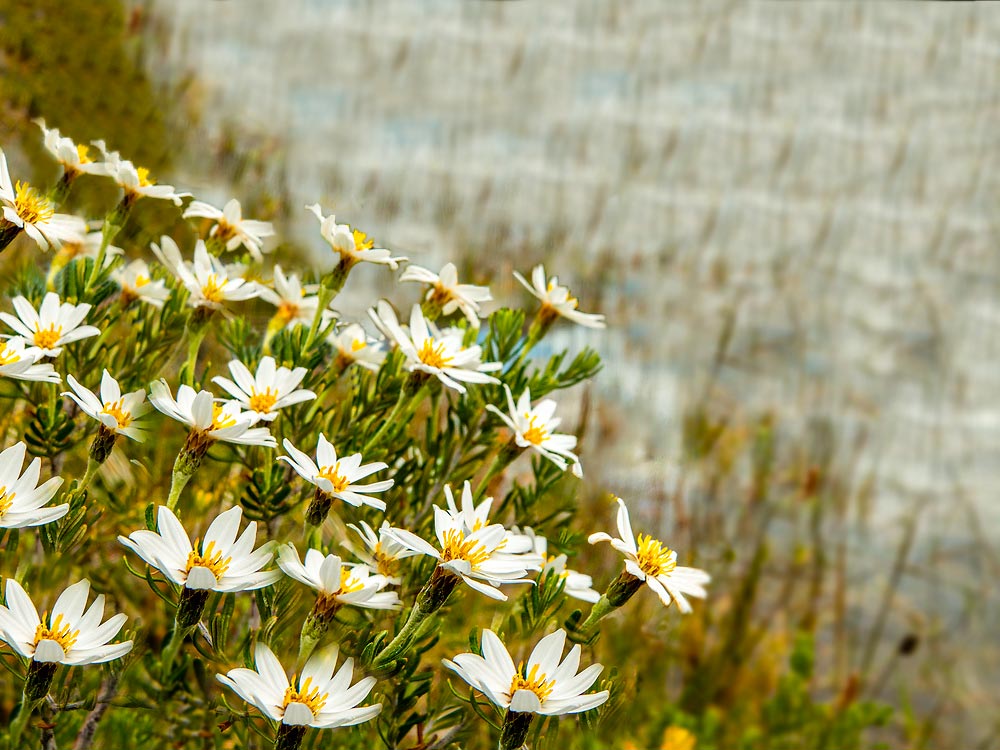
- Chiliotrichum
- Radula
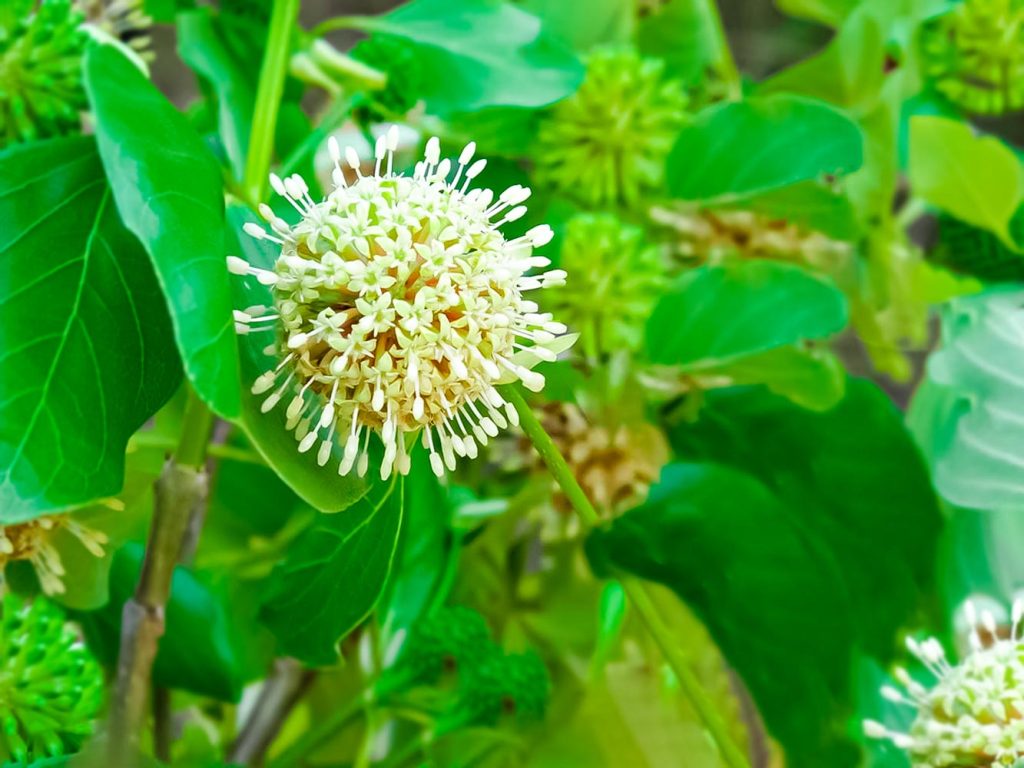
- Mitragyna
- Picralima Nitida
- Uncaria
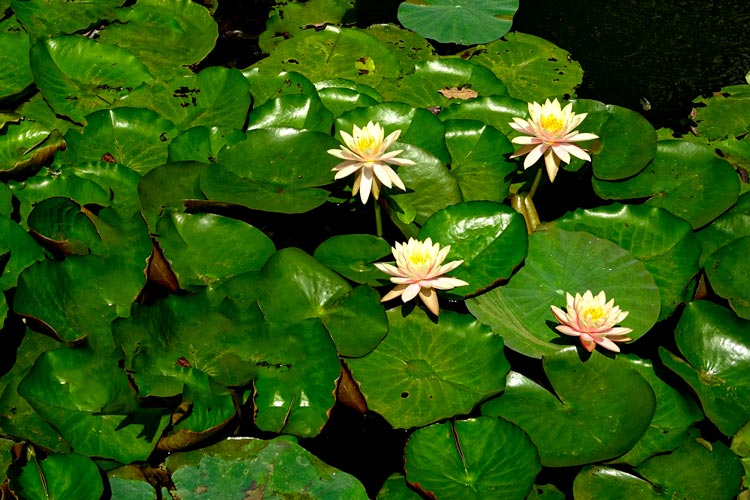
Nymphaea Genus
Additionally, Nymphaea alba and Nymphaea nouchali are valued for their anti-inflammatory and antioxidant properties, making them promising candidates for natural health remedies. Research into these species is uncovering new applications, particularly in neuroprotective therapies and as anti-aging agents in skincare. Through careful cultivation and extraction processes, we aim to harness the full therapeutic potential of the Nymphaea genus, bringing these ancient plants into modern pharmaceutical use. Our work focuses on identifying and optimizing the most potent varieties, offering natural alternatives in the growing field of plant-based medicine.


Psychotria
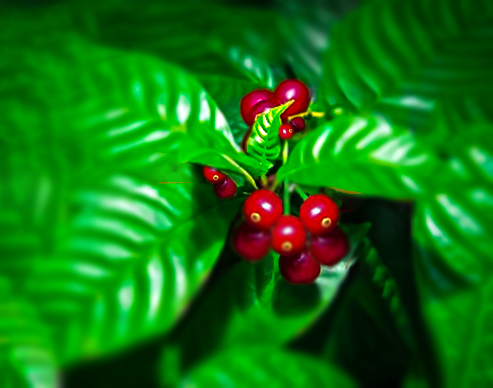
A genus with over 1,500 species of flowering plants.
Our assets include many species of Psychotria, including:
- Psychotria umbellata
- Psychotria poeppigiana
- Psychotria colorata
We have developed effective farming methods for many species of Psychotria.
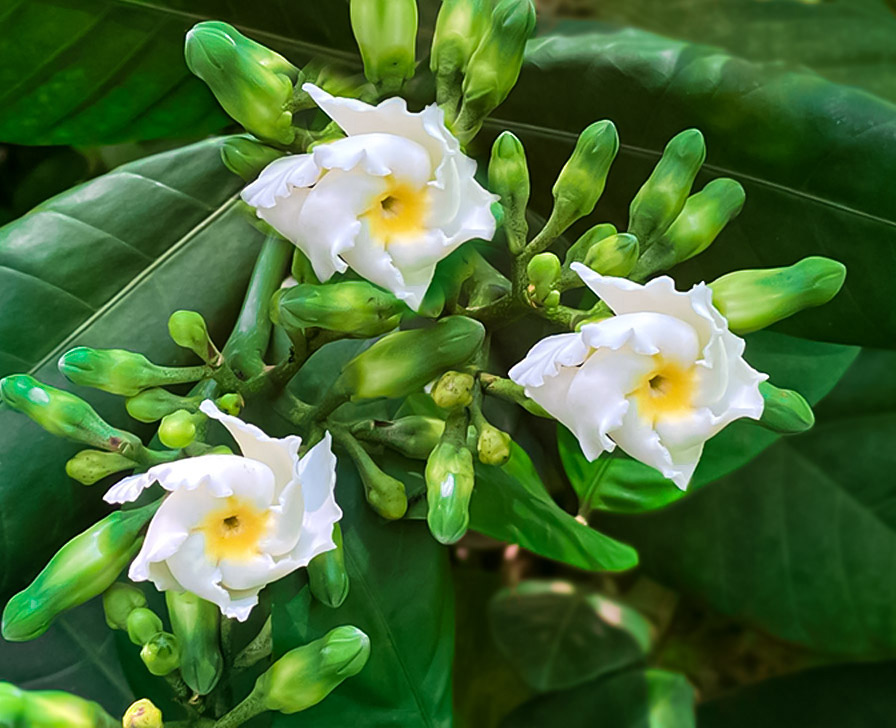
Tabernaemontana
Our biological assets include more than 20 species of Tabernaemontana, including:
- Tabernaemontana divaricata from Asia.
- Tabernaemontana pachysiphon from equatorial Africa.
- Tabernaemontana donnell-smithii from Central America
Chiliotrichum
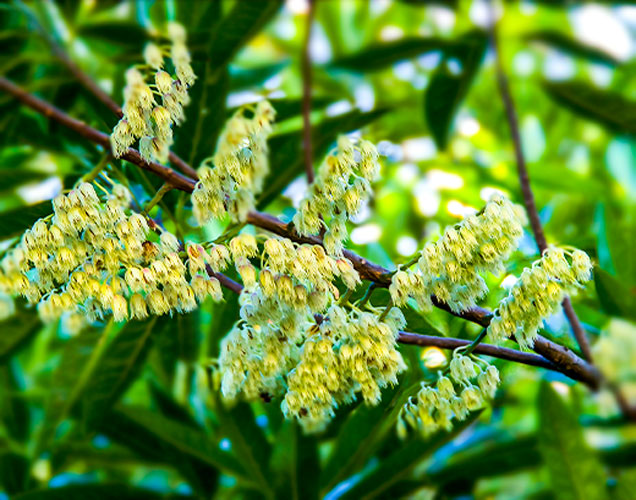
Elaeocarpus
Our plantings include:
- Elaeocarpus Grandis
- Elaeocarpus Floribundus
- Elaeocarpus Ganitrus
- Elaeocarpus Sylvestris
- Elaeocarpus Habbemensis
- Elaeocarpus Fuscoides
Mitragyna
Other species within the Mitragyna genus, such as Mitragyna hirsuta and Mitragy na rotundifolia, are being actively researched for their potential to yield novel compounds that could be developed into pharmaceuticals. Through our chemical screening and plant selection processes, we are identifying cultivars with the highest concentrations of these valuable alkaloids. Our efforts aim to bring these lesser-known species into the spotlight, offering alternatives to more commonly known plants and expanding the possibilities for natural product development.
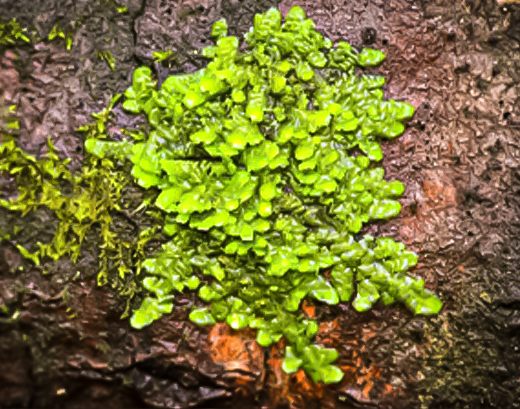
Radula
The therapeutic potential of these compounds is being investigated, particularly for their potential use in neurological disorders and chronic pain management. Radula species could provide an alternative source of cannabinoids that is distinct from traditional cannabis plants, offering new opportunities in the field of cannabinoid research.
Uncaria
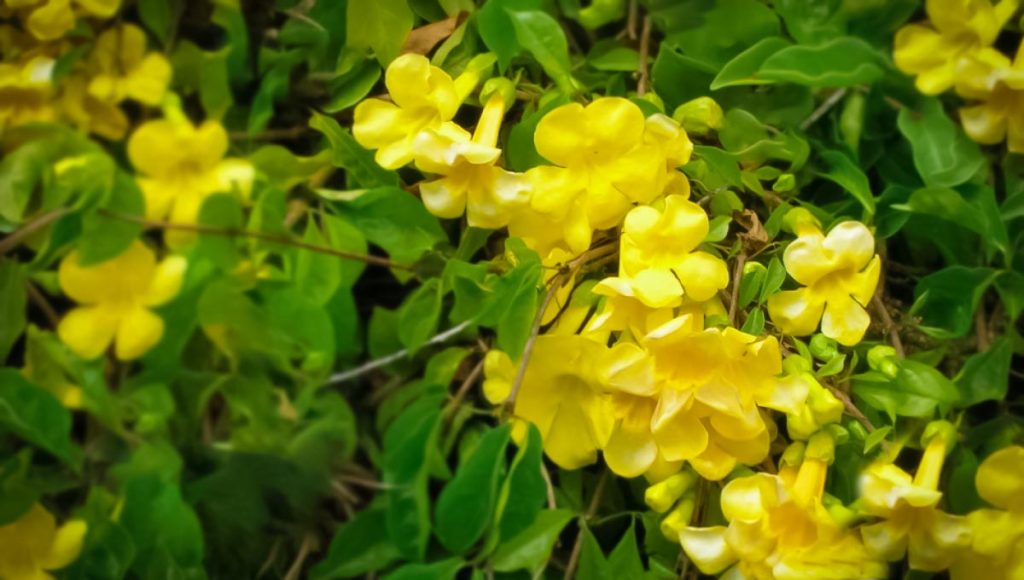
Our collection includes both Asian and New World species, each offering unique alkaloid profiles, providing diverse opportunities for exploring their therapeutic potential.
Picralima Nitida
The active compounds, such as akuammine and akuammidine, are structurally related to yohimbine and have been shown to possess opioid-like activity. Picralima nitida is a natural source of analgesics that offer an alternative to synthetic opioids.